

Brain-Computer Interface Lab
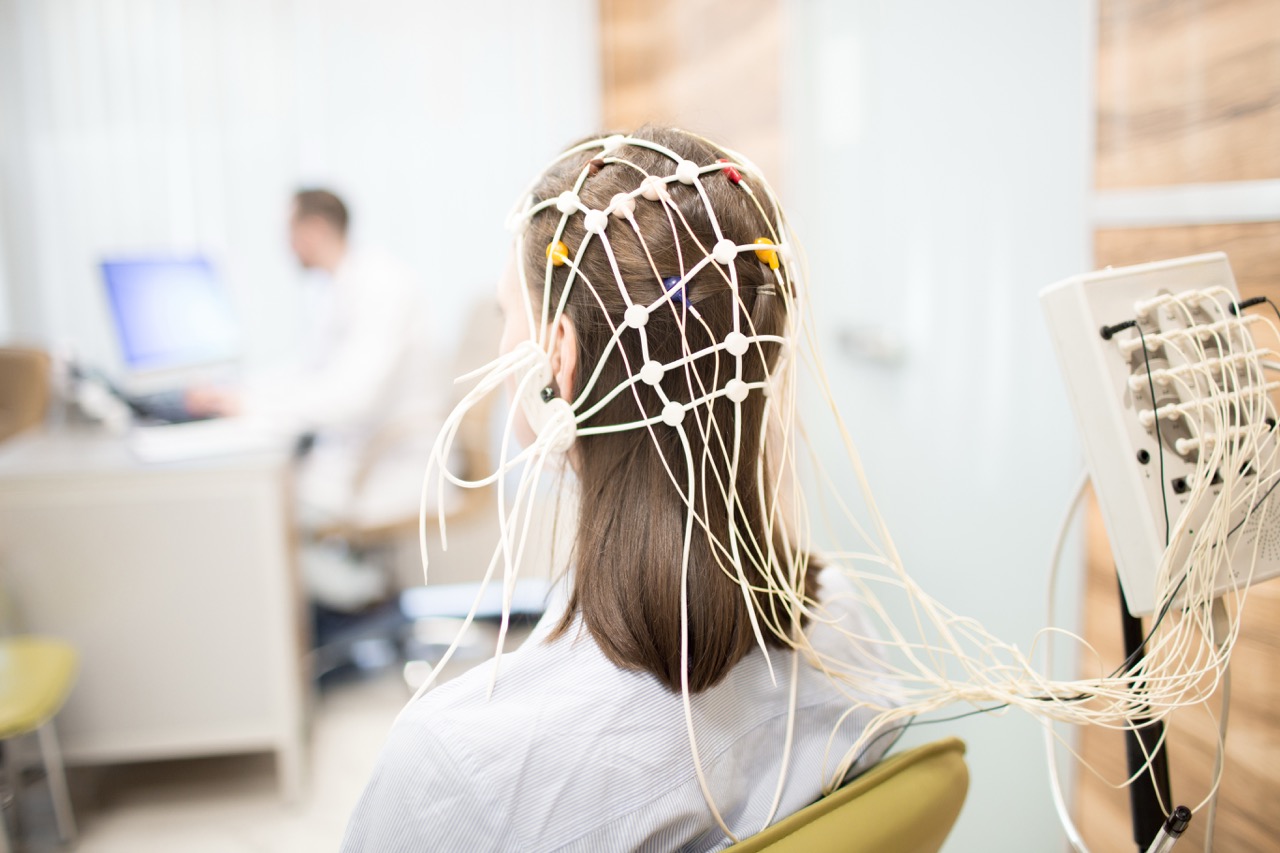
Building a brain-computer interface means fighting two problems at once: latency and iteration speed. The control loop has to be fast enough to feel direct, and the lab has to be able to swap hardware, change decoders, and re-run experiments without rebuilding the whole stack each time.
This use case shows how a BCI lab develops on Qusp with a low-latency streaming pipeline, hardware-agnostic acquisition, and live decoding — so researchers iterate on the decoder, not the plumbing, and keep the loop under ten milliseconds.
The setup
The lab streams EEG over Lab Streaming Layer into a low-latency processing path, runs the decoder live, and sends control signals out — all on one clock. Because acquisition is hardware-agnostic, switching amplifiers or adding a sensor doesn't mean rewriting the pipeline.
The deployment has four parts:
- Streaming acquisition — EEG and any peripheral sensors stream over LSL on a shared clock, so every input is aligned for the decoder.
- Low-latency path — Samples move from electrode to decision in single-digit milliseconds, keeping the closed loop responsive.
- Live decoding — The decoder runs on the stream in real time, with its output available to drive feedback or control.
- Hardware-agnostic layer — The same pipeline runs across supported amplifiers, so swapping hardware doesn't break the experiment.
How a typical experiment runs
EEG streams into Qusp over LSL alongside any markers or peripheral signals, all timestamped on the shared clock. The researcher configures the decoder against that stream rather than against a specific device.
During a run, samples flow through the low-latency path — minimal buffering, short filters, a lean decoder — so the end-to-end loop stays in single-digit milliseconds and the participant feels the system respond.
The decoder output drives feedback or a control signal in real time, while the full session records continuously so every run can be replayed and re-decoded offline.
Between runs, the researcher swaps the decoder, adjusts windows, or changes hardware and re-runs — without touching acquisition, because the pipeline doesn't care which amplifier is upstream.
What the pipeline runs
A typical development setup runs to this specification:
- 8-channel streaming — A focused 8-channel montage streamed over LSL, enough for most control paradigms with minimal setup.
- Single-digit latency — An end-to-end loop budgeted and measured under ten milliseconds, electrode to feedback.
- Run provenance — Every run records the decoder, parameters, and data together, so results are reproducible and comparable.
Compare that to a hand-wired rig tied to one amplifier, where changing hardware or decoders means rebuilding the data path and re-measuring latency from scratch. A hardware-agnostic streaming layer lets the lab iterate on the science instead of the plumbing.
The outcomes
A lab running this pattern typically sees:
- Responsive loops — Single-digit-millisecond latency keeps closed-loop control feeling direct.
- Faster iteration — Swapping decoders and hardware without rebuilding acquisition speeds up every experiment.
- Reproducible runs — Each run stores its decoder and data together, so results can be compared and replayed.
- Hardware freedom — The same pipeline spans supported amplifiers, so the lab isn't locked to one vendor.
- Offline reanalysis — Continuous recording lets every live run be re-decoded later with new models.
Where it doesn't fit
This setup fits non-invasive BCI research and closed-loop development. Three caveats are worth naming.
First, invasive or implanted systems. The acquisition layer targets external EEG and LSL-compatible devices, not implanted electrode hardware.
Second, paradigms that don't need real-time decoding. Purely offline analysis works fine here but doesn't exercise the low-latency path the pattern is built for.
Third, ultra-high-channel-count rigs at extreme rates. Single-digit latency depends on a sane channel and sampling budget; very large montages need their latency re-characterized.
Standing it up
Most labs get this running quickly. The first step is streaming the amplifier into Qusp over LSL and confirming the timing. The second is dropping in a decoder and measuring end-to-end latency on the real system. The third is wiring the decoder output to the feedback or control target.
The researchers building the decoders should own the pipeline. They know the latency budget and the control paradigm, and keeping acquisition out of their way is the whole point.
Bring this to your lab
If you build brain-computer interfaces, Qusp can give you low-latency streaming, hardware-agnostic acquisition, and live decoding on one clock. Talk to our team about streaming your amplifier, measuring your loop, and wiring up real-time control.