

Clinical Quality Monitor
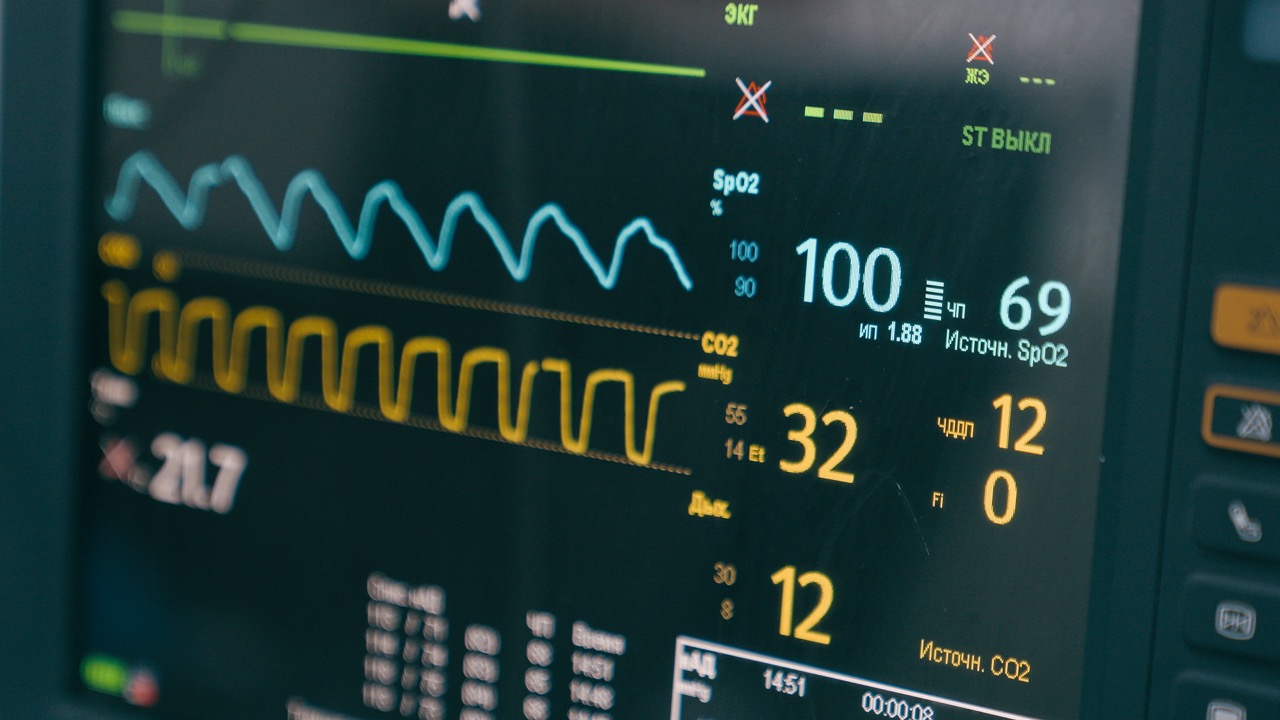
Across a busy recording program, the most expensive problem is the one no one notices until analysis: a bad channel, a noisy segment, a session quietly degraded by a loose electrode. By the time it surfaces in the data, the participant is gone and the recording can't be repeated.
This use case shows how a recording program runs Qusp as a continuous quality monitor across every session, flagging problems in real time and logging every recording — so quality is something you see the same day, not discover months later.
The setup
Quality monitoring runs on every session, regardless of study or operator. Qusp watches signal quality live, flags bad channels and noisy segments as they happen, and logs each session with its quality report — turning quality assurance from a manual after-the-fact audit into an automatic, real-time layer.
The deployment has four parts:
- Live monitoring — Impedance, flat and railing channels, drift, and noise are checked continuously on every recording.
- Real-time flagging — Problems are surfaced to the operator during the session, so a channel can be re-seated before the recording is lost.
- Session logging — Every session is logged with its quality report attached, building a complete, auditable record.
- Program-wide view — Quality across all operators and studies rolls up into one dashboard, so systemic issues show up early.
How a typical session runs
When a session starts, monitoring starts with it — no separate step, no operator action required. Impedance and channel health are checked before recording and continuously throughout.
If a channel drifts, flat-lines, or starts picking up noise, the operator sees it live on the montage, not buried in a log. That means a loose electrode gets re-seated mid-session instead of costing the whole recording.
At the end, the session is logged with its quality report — which channels were flagged, when, and why — and that report travels with the recording into analysis as metadata.
Across the program, every session's quality rolls into one view, so a coordinator can spot a recurring problem — a bad cap, an operator who needs training, a noisy room — before it spreads across dozens of recordings.
What's monitored
Every session is checked against the same signals:
- Channel health — Impedance, flat-lining, and amplifier saturation flagged in real time per channel.
- Noise and drift — Segments contaminated by movement, line noise, or drift marked as they occur.
- Quality metadata — Every flag stored with the recording, so analysis inherits a quality-annotated dataset.
Compare that to manual QA, where someone reviews recordings after the fact — if they have time — and bad sessions are discovered too late to fix. Real-time, automated monitoring means problems are caught while they're still fixable and nothing reaches analysis unflagged.
The outcomes
A program running this pattern typically sees:
- Fewer lost sessions — Problems are caught and fixed mid-recording instead of discovered afterward.
- Clean datasets — Every recording arrives at analysis already annotated for quality.
- Full coverage — 100% of sessions are logged and checked, not just the ones someone had time to review.
- Early warning — Program-wide rollups surface systemic issues before they spread.
- Auditable records — Every session carries a complete quality history, defensible for clinical and research use.
Where it doesn't fit
Automated quality monitoring fits any program running EEG at volume. Three caveats are worth naming.
First, it flags signal quality, not clinical interpretation. A clean recording can still contain findings that need an expert; monitoring ensures the signal is good, not that the study is read.
Second, thresholds need tuning. Flagging that's too aggressive creates noise; too lax misses problems. Expect a tuning period per montage and population.
Third, it can't fix a fundamentally bad setup. Monitoring surfaces a problem, but a room with severe electrical interference or chronically poor prep still needs the underlying issue addressed.
Standing it up
Most programs get this running in a couple of weeks. The first step is enabling monitoring across the montages already in use. The second is tuning flagging thresholds to each setup and population. The third is connecting the program-wide rollup so coordinators get the cross-session view.
The people running recordings should own the thresholds. They know what normal looks like for their rooms and caps, and their input is what keeps flagging useful instead of noisy.
Bring this to your program
If you run EEG recordings at any volume, Qusp can monitor signal quality on every session, flag problems in real time, and log everything for a complete quality record. Talk to our team about enabling monitoring, tuning thresholds, and rolling quality up across your whole program.