

From lab to clinic: building reproducible EEG pipelines
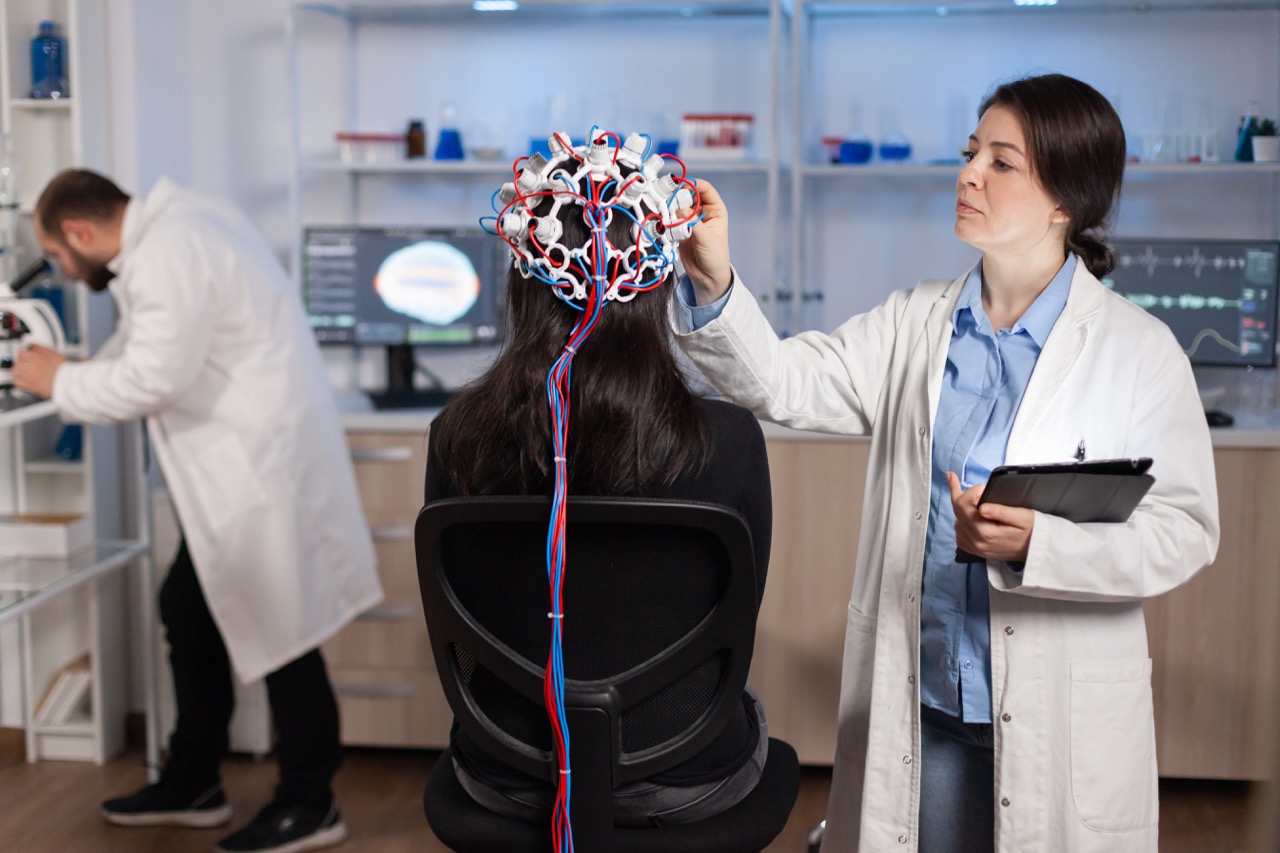
Reproducibility is a pipeline problem. A result that can't be reproduced isn't a result — it's an anecdote. The gap between a promising lab finding and a clinical tool is almost always paved with undocumented preprocessing choices. This post covers how to build EEG pipelines that produce the same answer on the same data every time, and travel cleanly from the lab to the clinic.
Where Reproducibility Breaks Down
Most irreproducibility doesn't come from fraud or bad statistics — it comes from preprocessing. A filter cutoff changed by hand, a different software version, a re-referencing step done from memory: each is small, and together they make two analyses of the same recording disagree. If the steps aren't pinned and recorded, the result can't be trusted.
"If you can't rerun it and get the same number, you don't have a finding — you have a story." — Qusp Research Team
What a Reproducible Pipeline Requires
- Version pinning: Every library, filter, and parameter is locked to a specific version so the pipeline behaves identically a year from now.
- Recorded provenance: Each output carries the exact sequence of steps that produced it, down to the parameters used.
- Standard formats: BIDS-compatible exports mean data and metadata travel together, and any lab can pick up where another left off.
- Automated execution: Running the pipeline by script, not by hand, removes the human variability that quietly breaks reproducibility.
Why BIDS Matters
The Brain Imaging Data Structure gives EEG a shared language for organizing recordings, events, and metadata. When a dataset is BIDS-ready, moving it between the lab and a clinical partner stops being a translation exercise. Qusp exports to BIDS by default, so reproducibility isn't an extra step — it's the format.
Standard structure also means standard tooling. Validators, converters, and analysis packages all understand the same layout, so collaborators spend less time wrangling files and more time on the question that matters.
Crossing Into the Clinic
Clinical deployment raises the bar: results have to be defensible, auditable, and identical across sites. A pipeline that is version-pinned and provenance-tracked in the lab is one that a clinic can actually certify and rely on. The same discipline that makes research reproducible is what makes it safe to use on patients.
That continuity — the same pipeline, the same parameters, the same outputs — is what lets a finding survive the trip from a single lab to a multi-site clinical program without quietly changing along the way.
Final Thoughts
Reproducibility isn't a virtue you add at the end; it's an architecture you commit to at the start. Pin your versions, record your provenance, export to a standard, and automate the run. Do that, and the path from the lab to the clinic stops being a leap of faith.