

High-Density EEG Core
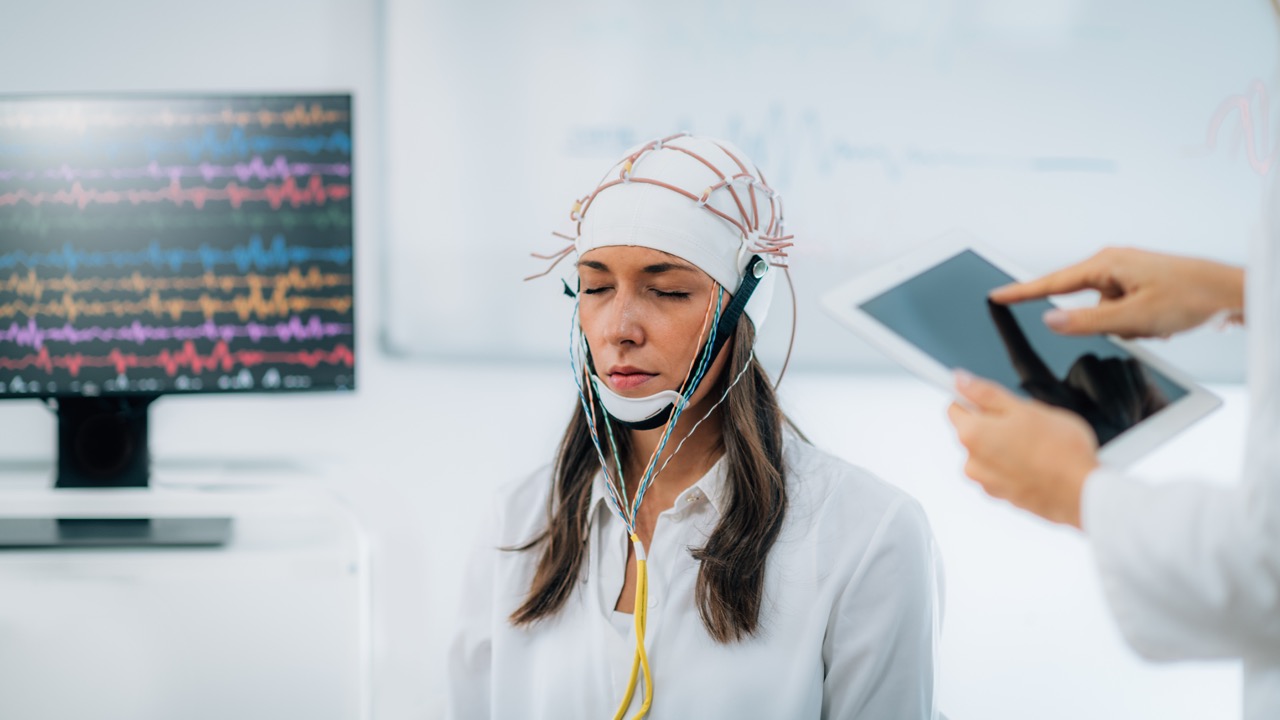
A high-density EEG core facility serves many labs at once, each with its own study, but all depending on the same thing: data they can trust. With 128 or 256 channels per recording, a few bad electrodes or an undocumented preprocessing choice can quietly undermine a source-localization result that took months to collect.
This use case shows how a shared high-density EEG core runs on Qusp, with reproducible pipelines, version-pinned methods, and consistent session context — so every lab the core serves gets clean, comparable, defensible data.
The setup
The core records high-density montages against validated, version-pinned pipelines and stores every session with full context. Quality is checked at capture, preprocessing is scripted rather than hand-run, and each study's data carries the methods that produced it — so results hold up across labs and over time.
The deployment has four parts:
- High-density acquisition — 128- or 256-channel recordings with per-channel quality monitoring, so bad electrodes are caught at capture.
- Pinned pipelines — Preprocessing and source-localization steps run as version-pinned scripts shared across every study the core supports.
- Session context — Each recording stores its montage, references, and parameters, so no result depends on undocumented choices.
- Shared standards — A common data structure across labs means the core's output is comparable and reusable, not a pile of one-off formats.
How a typical study runs
A lab brings a study to the core. The technician records the high-density montage against the core's standard acquisition profile, with per-channel quality monitored live so bad electrodes are interpolated or re-seated before the session ends.
Preprocessing runs as a pinned pipeline — the same filters, referencing, and artifact handling for every study — so two recordings from different labs are processed identically and remain comparable.
Source-localization and analysis steps run from the same versioned methods, and every output carries the exact parameters that produced it, so the result can be reproduced on demand.
Finished data lands in the shared structure with full context attached, ready for the originating lab to analyze and for the core to support long after the recordings were made.
What every recording captures
Each session records to the same specification:
- 128-channel montage — High-density coverage with per-channel impedance and quality monitoring throughout the session.
- Pinned methods — Preprocessing and localization steps locked to specific versions, identical across studies.
- Full context — Montage, references, and parameters stored with every recording for reproducibility and reuse.
Compare that to a core where each study is preprocessed a little differently and the methods live in someone's head. Cross-study comparison becomes impossible and reproducing a two-year-old result is a research project of its own. Pinning the methods and storing the context makes the core's data durable.
The outcomes
A core running this pattern typically sees:
- Trustworthy data — Per-channel monitoring catches bad electrodes before they reach analysis.
- Reproducible results — Version-pinned methods produce the same output on every run, years apart.
- Cross-study comparability — Shared pipelines mean recordings from different labs can be compared directly.
- Durable archives — Full session context keeps old recordings reusable instead of orphaned.
- Higher throughput — One standard profile lets the core serve more labs without bespoke setup each time.
Where it doesn't fit
This pattern fits shared high-density EEG and source-localization facilities. Three caveats are worth naming.
First, highly customized single-study methods. The value is standardization; a study that needs a one-off pipeline can run it, but loses some cross-study comparability.
Second, very low-density or quick screening work. The high-density profile is overkill for setups that only need a handful of channels.
Third, labs unwilling to adopt shared standards. The core's benefits depend on labs accepting the common structure; opting out returns them to one-off formats.
Standing it up
Most cores get this running in a few weeks. The first step is defining the standard high-density acquisition profile and quality thresholds. The second is scripting and pinning the shared preprocessing and localization pipelines. The third is validating the common data structure on a real study end to end.
The core's methodologists should own the pipelines. They set the standards every served lab inherits, and centralizing that decision is what makes the core's data comparable rather than merely co-located.
Bring this to your core
If you run a high-density EEG or imaging core, Qusp can give you reproducible pipelines, version-pinned methods, and shared session context across every lab you serve. Talk to our team about standardizing acquisition, pinning your pipelines, and making your core's data durable.